Somiedo Natural Park was the first protected area in Asturias (1988) and is today a UNESCO Biosphere Reserve. But its greatest treasure is another: here the brown bear never fully disappeared, and the current population, clearly recovering, makes it the best place in Europe to try to see one.
The interpretation centre in Pola de Somiedo condenses the park’s natural history into a one-hour visit: from the bear and the capercaillie to the transhumance that shaped its brañas (traditional high-pasture villages).
What to see in the centre and in the park
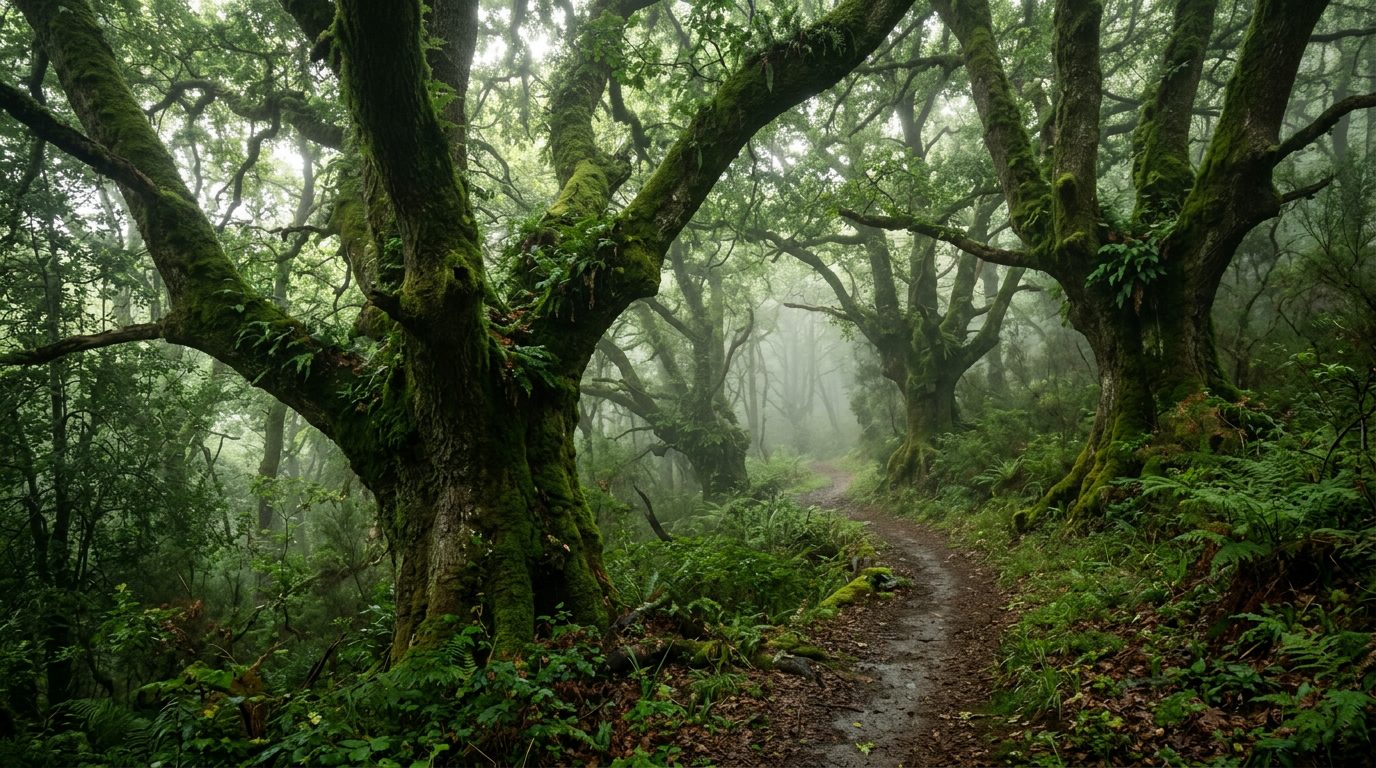
The exhibition explains the Somiedo ecosystem layer by layer: oak and beech forests, glacial lakes, high meadows and, at the top of the pyramid, the brown bear. It is the ideal place to get your bearings before choosing a route.
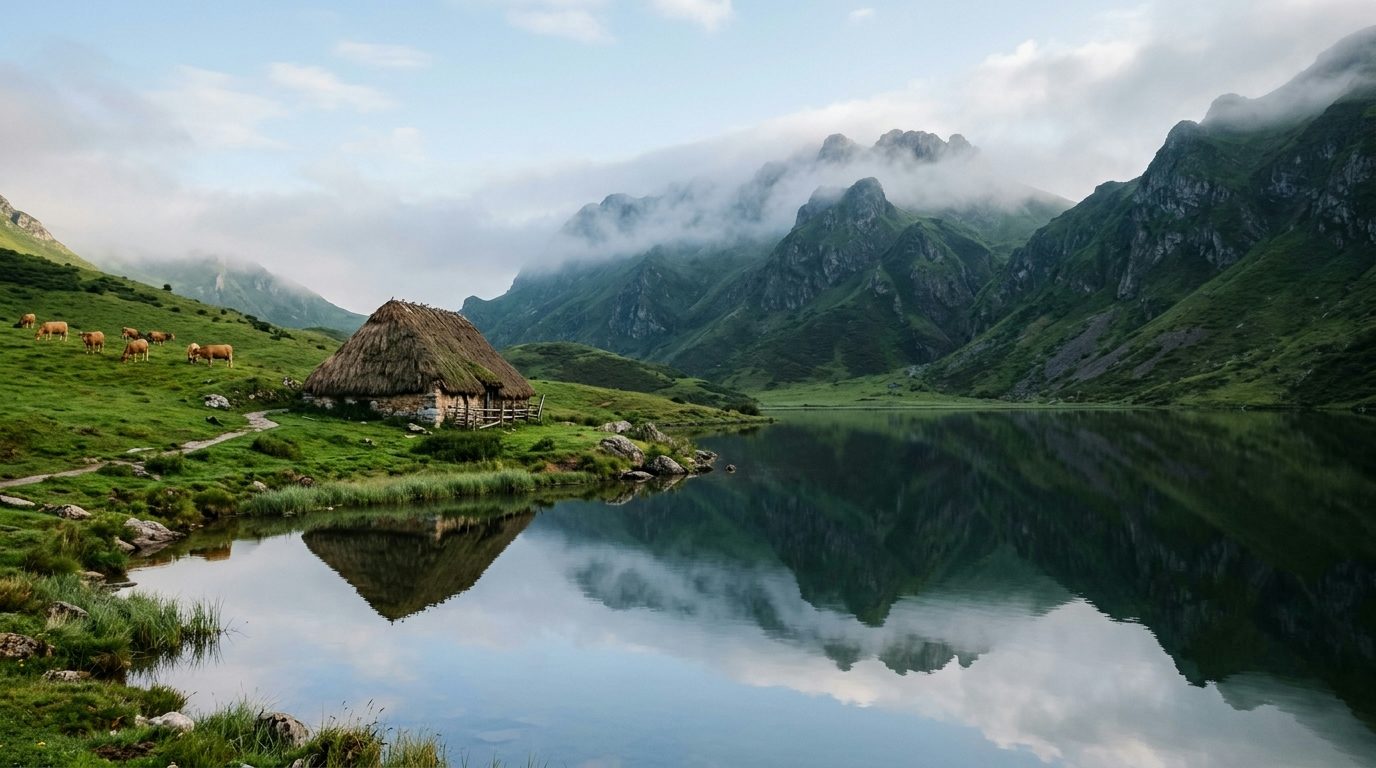
Outside the centre, the must-sees are the Saliencia lakes, the Valle de Lago — with its thatched-roof brañas, listed as Intangible Cultural Heritage — and any of the waymarked trails that run through the park’s valleys.
Best seasons for seeing bears
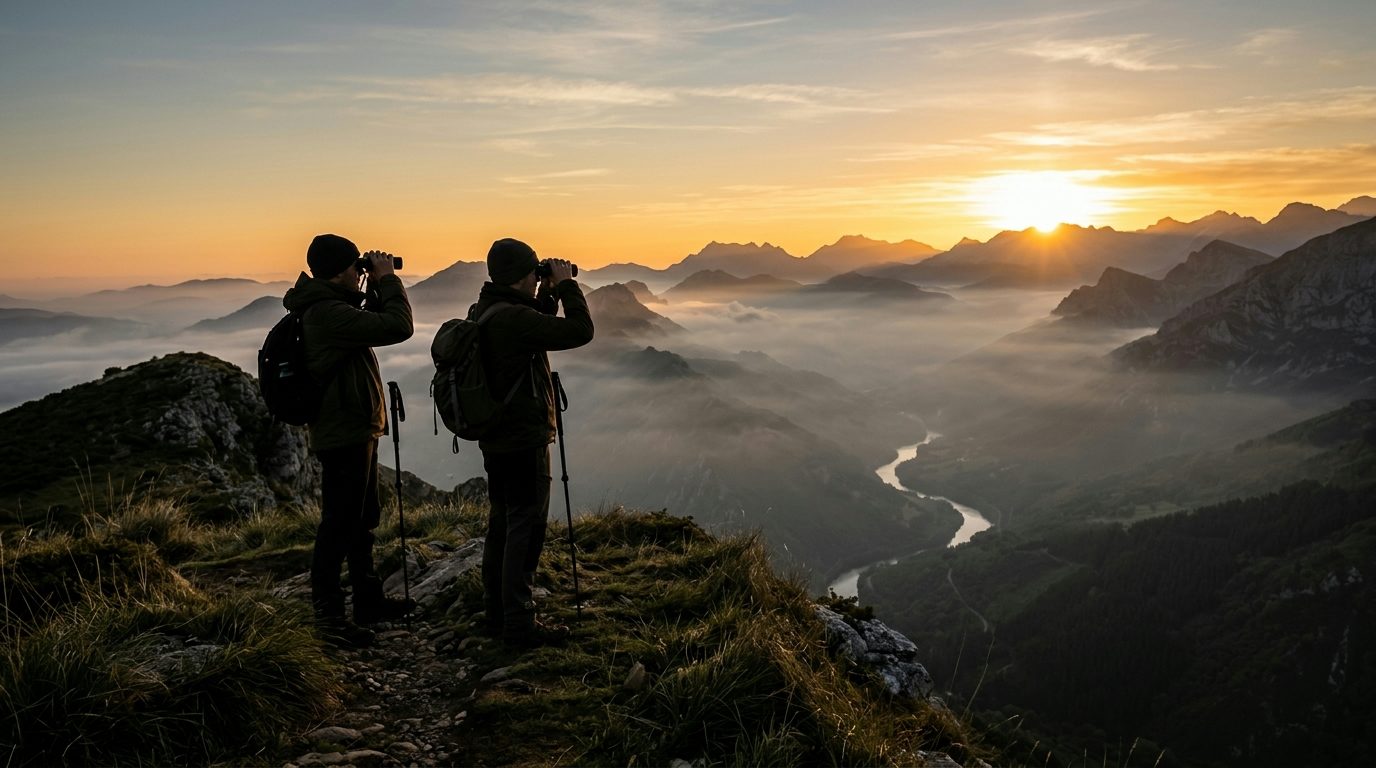
Spring (May–June) is the season of sows with cubs: sightings concentrate on the sun-warmed slopes. In September and October, hyperphagia — the feeding frenzy before hibernation — draws bears to the oak and chestnut groves, and encounters multiply.
July and August, when the livestock grazes the high pastures and the park is busiest, are poorer months for sightings, even though the landscape is at its finest.
Where to stay in Somiedo
Pola de Somiedo concentrates the services: hotels, rural cottages and restaurants. To sleep inside the park, the villages of Valle de Lago, La Peral, Veiga de Cima or Endriga offer charming country cottages in absolute silence.
- Book early: summer and bank holidays fill up months in advance.
- Get up early: the best sightings are at first light; look for accommodation that serves an early breakfast.