Brown bear ecotourism · Asturias and Cantabria
The independent guide to the Casas del Oso, the interpretation centres, the best areas for responsible bear watching and the bear-friendly stays of the Cantabrian Mountains.
The story
In the 1980s the Cantabrian brown bear was on the verge of extinction: barely 80 individuals sheltering in the most remote mountains of Asturias. Forty years of protection, coexistence and responsible tourism have turned the Cantabrian Mountains into the best place in western Europe to see bears in the wild.
The Casas del Oso —Proaza, Somiedo, Cangas del Narcea, Liébana— tell this success story. We take you to their door, tell you where to look and teach you how to do it without the bear paying the price.
Asturias · cradle of the bear
Proaza, Somiedo and Muniellos: the three sanctuaries of the Asturian bear, with their interpretation centres, enclosures and viewpoints.
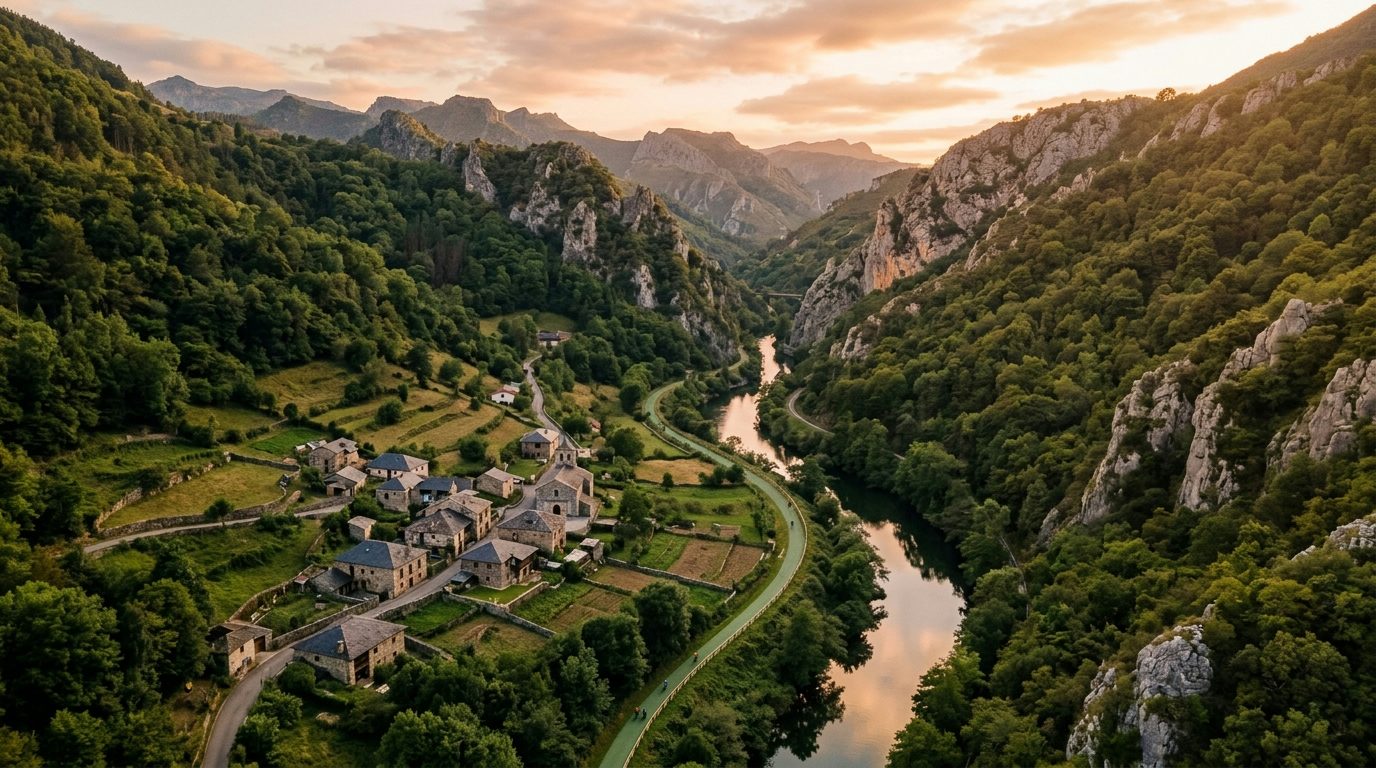
Interpretation centre The reference centre for the brown bear in Asturias: an exhibition space beside the river Trubia, enclosures where bears that cannot live in the wild are cared for, and a valley where the wild bear can be spotted from the viewpoints of the Bear Trail (Senda del Oso).
Explorar →
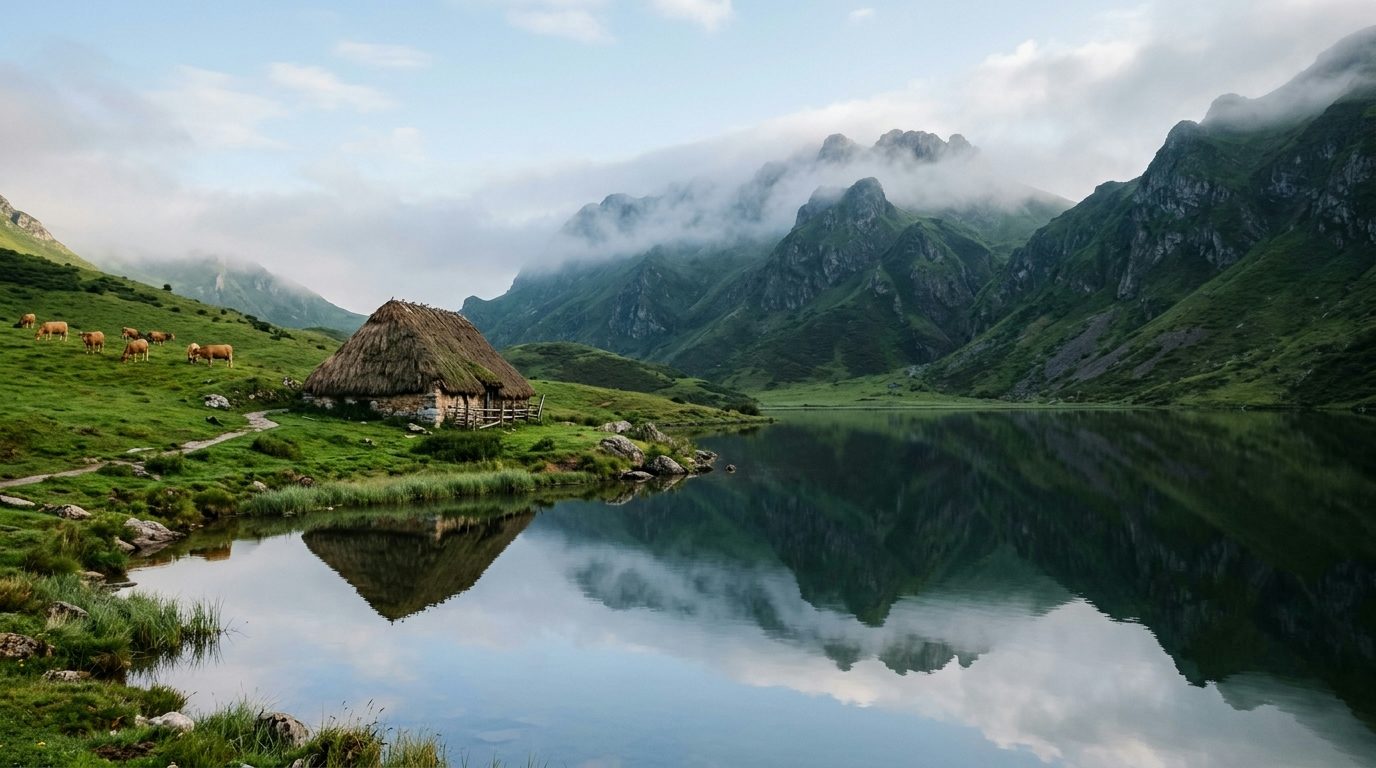
Interpretation centre Somiedo is the bear’s historic sanctuary: Asturias’ first natural park and a UNESCO Biosphere Reserve. Its interpretation centre, the Casa del Oso in Pola de Somiedo, is the perfect prelude to the valleys where the species never died out.
Explorar →
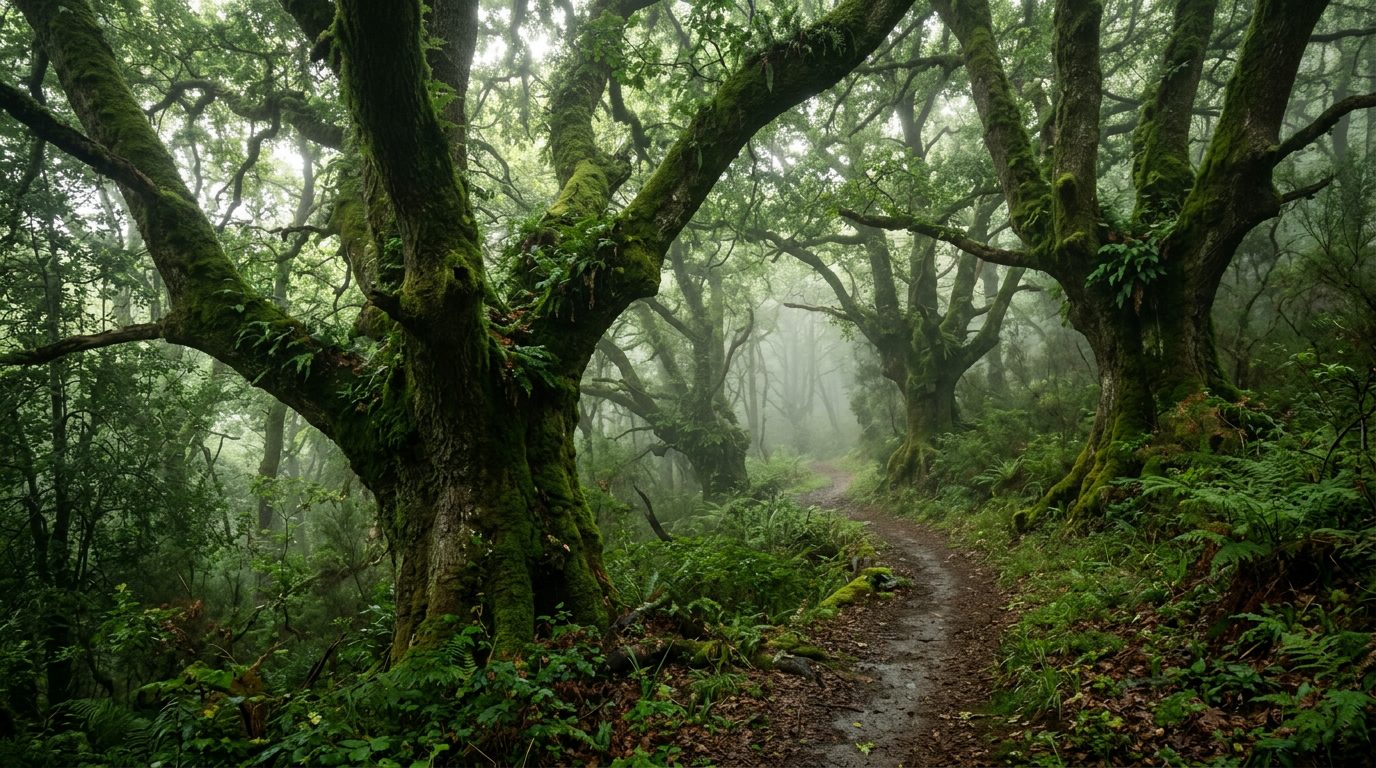
Nature reserve Hidden in the southwest of Asturias is the largest oak forest in Spain: the Muniellos Integral Nature Reserve, heart of the Fuentes del Narcea, Degaña and Ibias Biosphere Reserve and one of the best-preserved forests in Europe.
Explorar →
Cantabria · the frontier of the comeback
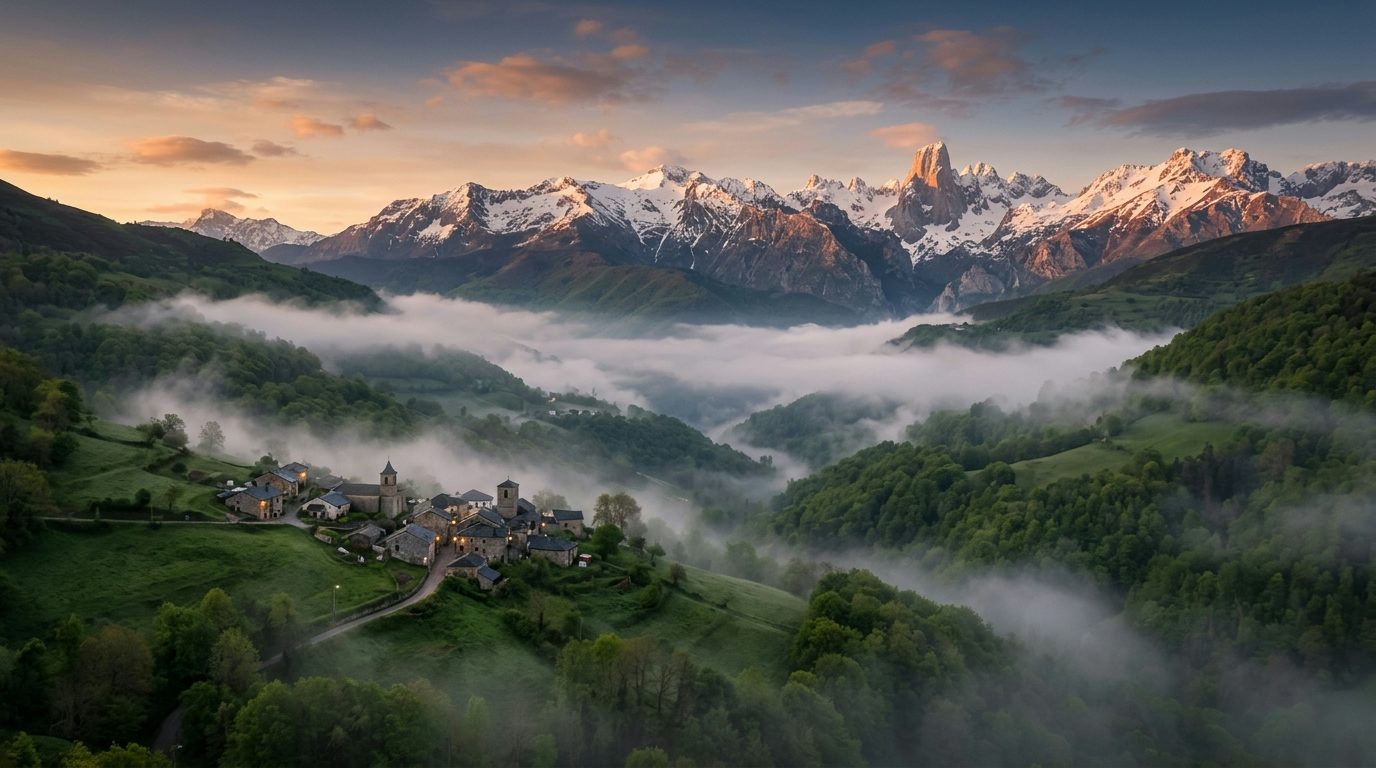
At the foot of the Picos de Europa, Liébana is the great expansion valley of the Cantabrian bear. Potes and Pesaguero hold its interpretation centres; the surrounding mountains see more sightings every year.
Interpretation centre In the very heart of Potes, the capital of Liébana, the Casa del Oso brings visitors closer to the biology and the recovery of the Cantabrian brown bear, with the Picos de Europa as the stage and the valley as an open-air classroom.
Explorar →
Interpretation centre Ten minutes from Potes, the Casa de la Naturaleza de Pesaguero offers the most complete and rigorous view of Cantabrian brown bear conservation: an essential visit for anyone who wants to truly understand the miracle of its recovery.
Explorar →Responsible bear watching
There is no magic: there is biology. A bear is seen where it lives, in the hours when it moves and in the seasons when it comes down from the mountain. These are the year's two windows.
Partial hibernation. The bear barely comes out; watching is limited to tracks and footprints in the snow.
She-bears come down to sunny slopes with their cubs. The most thrilling season (and the one that demands the most distance).
Livestock on the high pastures and bears in the dense forest: the worst season for sightings, the best for scenery.
Bears gorge non-stop on acorns and chestnuts: almost daily sightings in the oak woods. The great season.
Somiedo Somiedo is, without question, the best place in western Europe to see brown bears in the wild. We explain the seasons, the viewpoints and how to do it with the park’s licensed guides.
Explorar →
Fuentes del Narcea Asturias’ far south-west — Cangas del Narcea, Degaña and Ibias — is the region’s other great bear reserve: wilder and less trodden than Somiedo. Here the bear rules, and tourism is done with respect.
Explorar →
Liébana Liébana is the frontier of the returning bear: the eastern Cantabrian population grows year on year and the valley of the Picos de Europa has become its great stage. Fewer observers on the road, a stronger sense of discovery.
Explorar →Where to stay
A sighting is decided at 6 in the morning. Sleeping 15 minutes from the viewpoint, breakfasting before dawn and coming back in full daylight: that is a stay designed for the bear.
Rural stays Sleeping inside the Somiedo Natural Park is the bear watcher’s biggest advantage: while others are still climbing the pass, you already have an hour of viewing in. These are the areas and the criteria for choosing well.
Explorar →
Hotels & guesthouses The Trubia valley combines the highest bear density in Asturias with the proximity of Oviedo: here you can sleep in a characterful hotel or a rural cottage and be five minutes from the Casa del Oso and the Senda del Oso viewpoints.
Explorar →
Hotels & guesthouses Potes is the sleeping capital of the Picos de Europa and the perfect base for Cantabria’s bear tourism: rural guesthouses in the old quarter, hotels with views of the massif and peaceful places in the villages of the valley.
Explorar →Code of ethics
Distance, silence, viewpoints and accredited guides: the ten rules that turn your sighting into a win for the bear.
FAQ
Everything you need to know before planning your bear getaway.
The Casas del Oso are the interpretation centres dedicated to the Cantabrian brown bear: the best known is in Proaza (Asturias), right beside the Senda del Oso, and there are others in Somiedo, Cangas del Narcea, Potes and Pesaguero (Liébana).
The three main areas are Somiedo Natural Park, the Fuentes del Narcea Biosphere Reserve (Asturias) and Liébana (Cantabria). Best times of year: May–June and September–October, at dawn or dusk.
The latest surveys put the population at more than 370 individuals, split between the western subpopulation (Asturias, León and Lugo) and the eastern one (Cantabria and Palencia). The trend is clearly positive.
It is not compulsory, but an accredited guide multiplies your chances of a sighting and guarantees responsible watching. Our bear-watching guide tells you how to choose one.
An adult ticket costs around €4–6, with discounts for children and families. Opening hours change by season: see our Proaza page for the details, and always confirm on the official website.
Pick your valley, pick your season and set out knowing you are doing it right. The forest is waiting.